
How to Use Furniture Placement to Improve Interior Design Flow
The arrangement of furniture serves as the fundamental skeleton of any interior space and dictates how people move through a room. When you step into a house, the physical path you take is determined by the strategic positioning of sofas, tables, and cabinets. Achieving a seamless flow requires a deep understanding of spatial awareness and the intended function of each specific area.
Many homeowners struggle to find the balance between filling a room and maintaining enough open space for comfortable navigation. Proper placement can make a small apartment feel expansive or a cavernous hall feel intimate and welcoming. An interior designer considers the architectural focal points, like windows or fireplaces, before moving any heavy pieces. Masterful layout planning ensures that every decorative element contributes to a harmonious and efficient living environment for the entire family.
Identifying Primary Focal Points and Centers of Gravity
Every successful room design begins with a clear identifying feature that naturally draws the eye and anchors the furniture. This central point might be a large picture window, a built-in bookshelf, or a contemporary art installation on the main wall. You should orient your primary seating toward this feature to create a sense of purpose and visual stability within the space.
If the room lacks a natural architectural anchor, you can create one using a bold rug or a unique statement piece. Orienting the furniture away from these points often results in a disjointed feeling that confuses guests and residents alike. When residents struggle to find a natural center, they often decide that consulting an interior designer is the most effective way to resolve the layout. A strong focal point provides the necessary gravity to hold disparate design elements together cohesively and pleasingly.
Establishing Clear Circulation Paths and Walking Zones
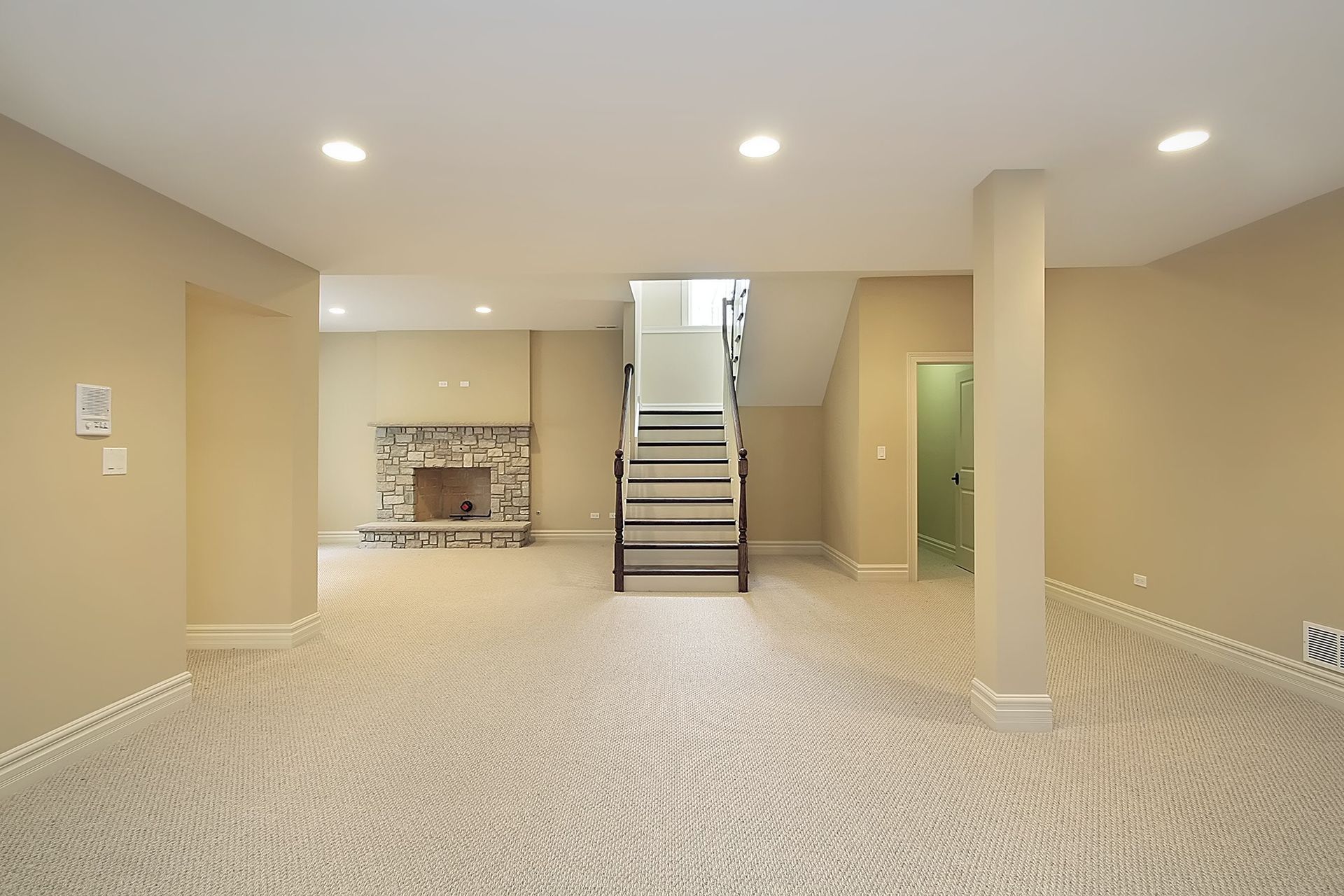
The ease of movement through a home is the most significant indicator of a well-planned and thoughtful floor layout. You must ensure that the main walking paths are at least three feet wide to prevent a cramped or hazardous atmosphere. Furniture should never obstruct the natural entry or exit points of a room, as this creates immediate frustration and physical bottlenecks. It is often helpful to map out these traffic patterns on paper before attempting to move heavy sectional sofas or dining tables.
Avoiding the placement of small trip hazards in high-traffic zones is a critical safety consideration for children and elderly residents. Efficient circulation allows the eye to travel across the room without being interrupted by bulky or misplaced items of furniture. By prioritizing these clear zones, you create a home that feels intuitive and effortless to navigate, regardless of the occasion.
Balancing Visual Weight and Proportional Scale
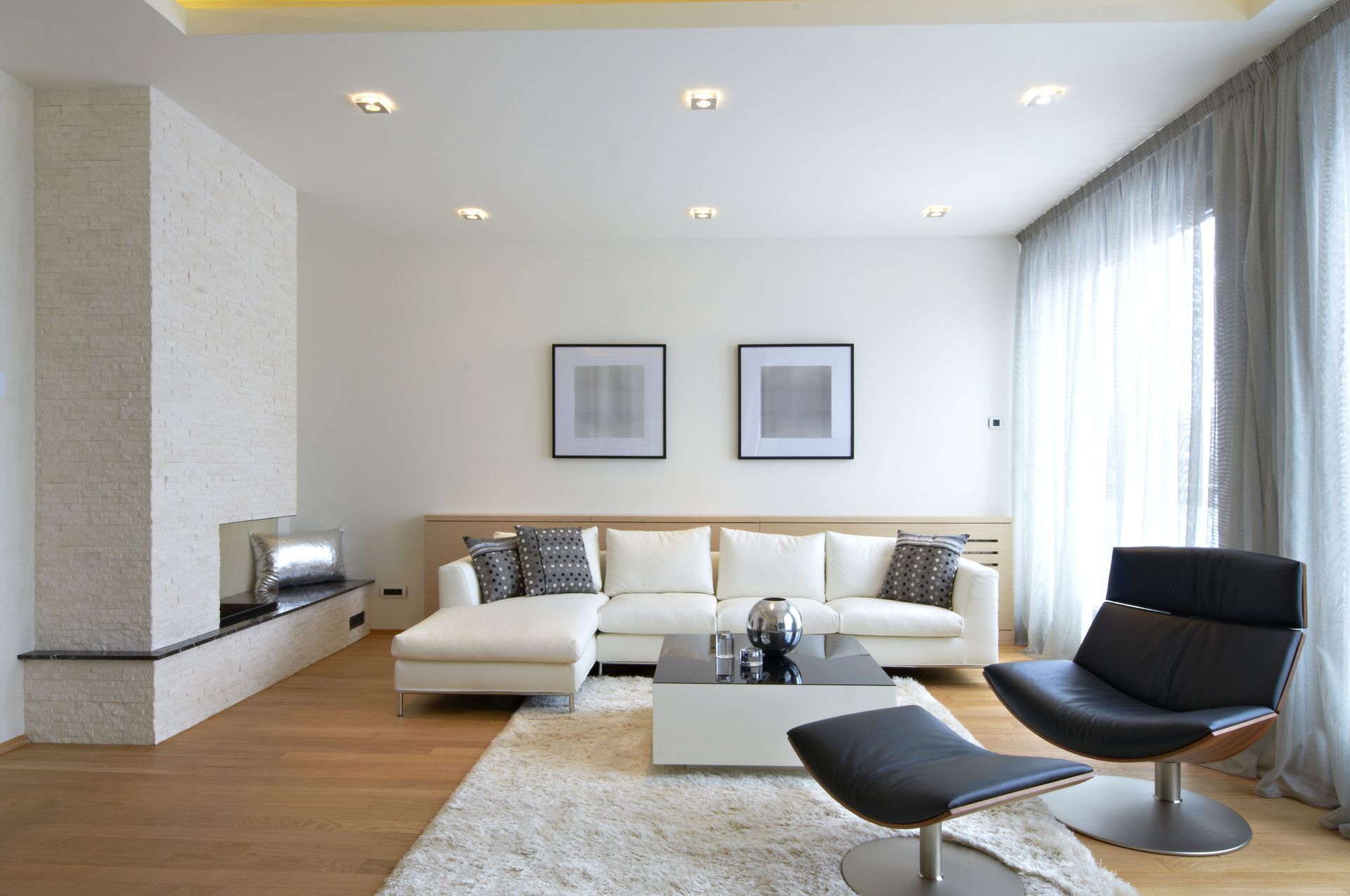
Achieving a sense of equilibrium requires a careful assessment of the visual weight and physical scale of every object in the room. A massive leather sofa on one side of the space needs to be balanced by an equally significant element on the opposite side. You should avoid clustering all the heavy pieces in one corner, as this creates a lopsided and unsettling aesthetic experience. High ceilings allow for taller cabinets and bookshelves, while lower ceilings demand more streamlined and horizontal furniture selections.
Mixing different heights and textures prevents the room from appearing flat or overly clinical in its final presentation. Many people find that balancing these proportions is difficult without professional help because 62% of homeowners hire interior design services to ensure cohesive aesthetics, according to the American Society of Interior Designers. Maintaining a consistent scale across all pieces ensures that no single item overwhelms the others or looks out of place.
Creating Intimate Conversation Areas and Social Clusters
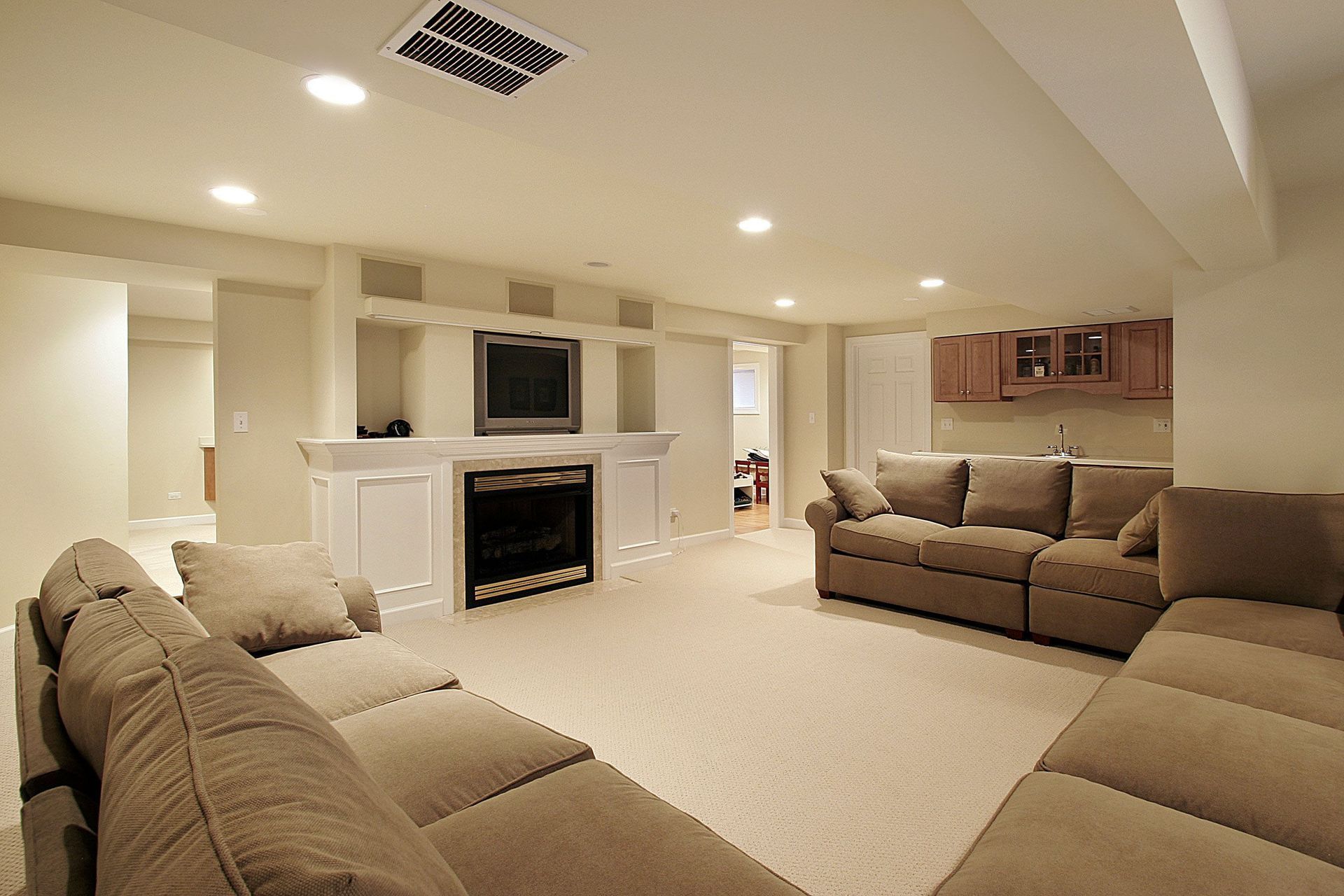
Living rooms and family spaces are primarily designed for human interaction and the building of social connections among guests. You should arrange seating in a way that allows people to talk comfortably without having to strain their voices or lean forward excessively. Placing chairs and sofas within eight feet of each other facilitates a natural exchange of ideas and creates a cozy atmosphere.
It is important to include surface areas like coffee tables or end tables within reach of every seated position for convenience. Large rooms benefit from being divided into multiple smaller seating clusters rather than one giant circle that feels cold and impersonal. A professional interior designer can often see opportunities for these micro-environments that the average homeowner might overlook during a DIY renovation. These dedicated zones transform a house into a home by prioritizing the comfort and social needs of the inhabitants.
Optimizing Natural Light and Window Access
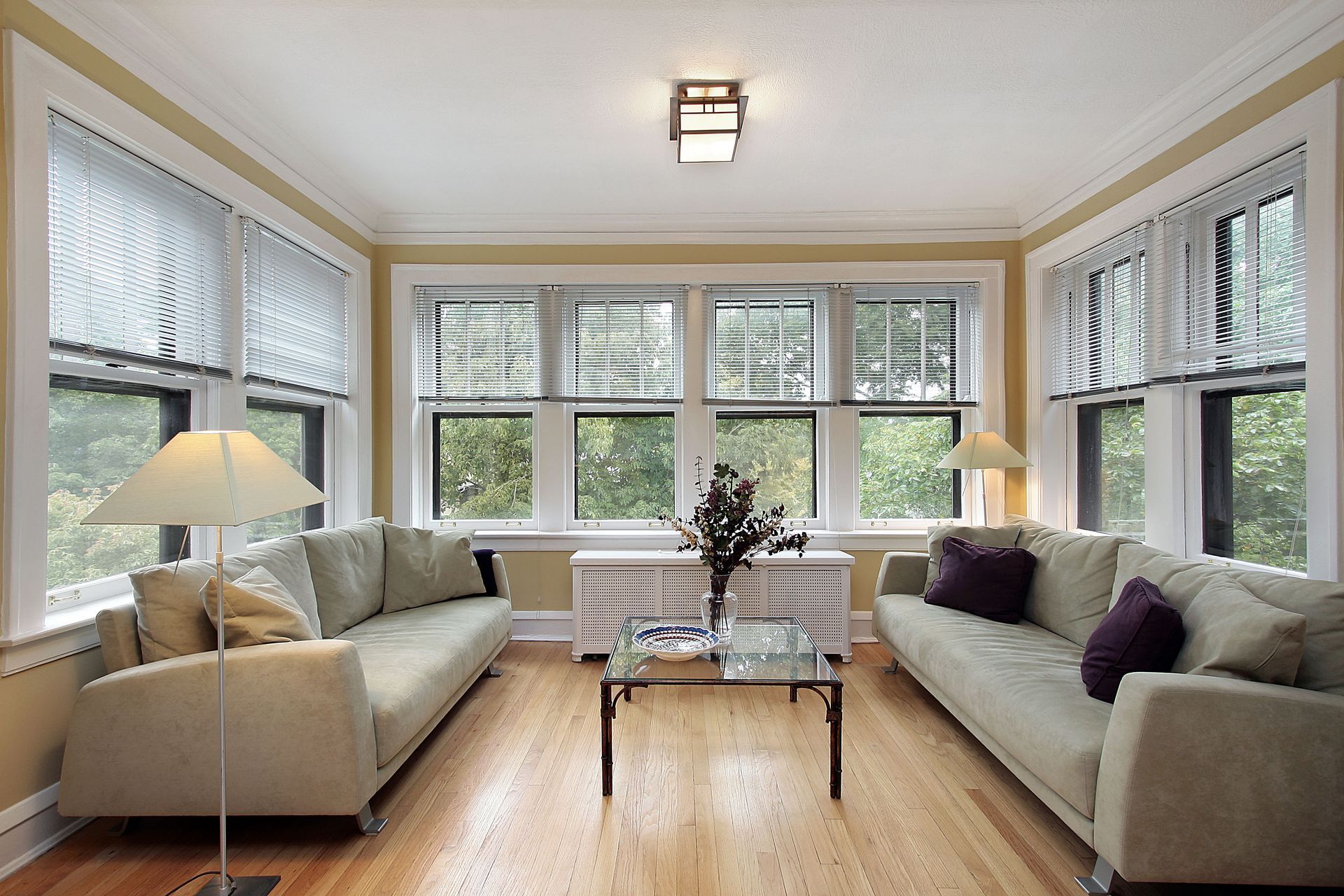
The relationship between your furniture and your windows significantly impacts the mood and energy efficiency of your primary living areas. You should avoid placing tall furniture in front of windows as this blocks natural light and obscures the view of the outdoors. Positioning a desk or a reading chair near a window can enhance productivity and improve your mental well-being throughout the day.
Mirrors placed opposite a light source can effectively double the amount of brightness in a dim or narrow hallway. It is vital to consider how the sun moves across the sky and how glare might affect television or computer screens. An experienced interior designer allows for proper window access, ensuring that the transition between the interior and exterior of the home feels fluid and connected to nature. Integrating light into the furniture plan creates a vibrant atmosphere that feels healthy and uplifting for everyone who enters the house.
Defining Zones with Rugs and Lighting
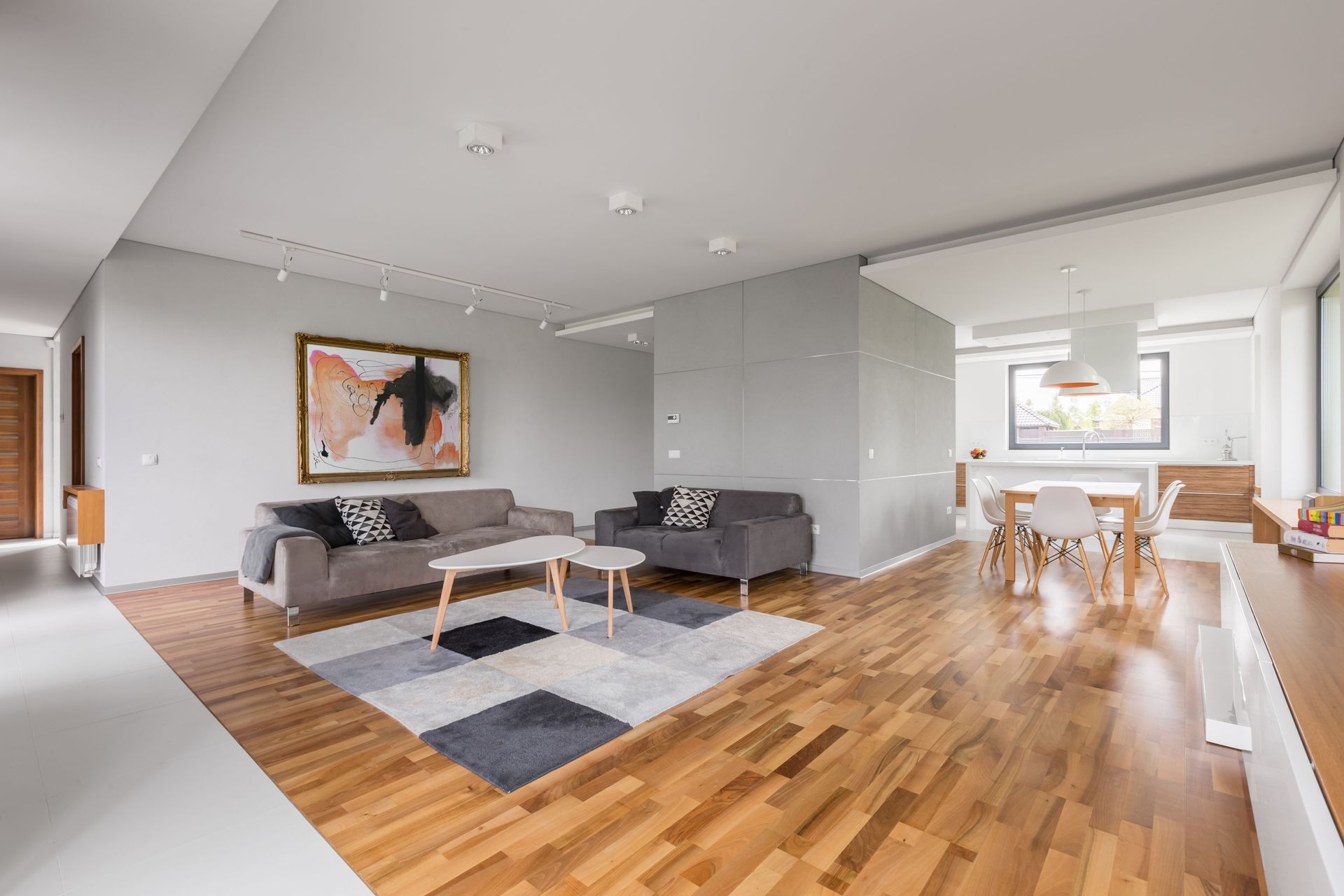
Large open-concept floor plans require a strategic approach to define different functional areas without using permanent physical walls or barriers. Large area rugs serve as excellent visual anchors that group furniture pieces together and signal a change in the room’s purpose. You should ensure that at least the front legs of all seating furniture rest on the rug to create a unified look.
Task lighting, like floor lamps or pendant lights, can further distinguish a dining area from a nearby lounge or home office. These subtle cues guide the behavior of guests and help organize the household’s daily activities in a logical and attractive way. When a space feels too vast or undefined, an interior designer will often suggest layering textures to create much-needed boundaries. Using these non-structural elements allows for flexibility in the design while maintaining a clear and organized interior architecture.
Incorporating Versatile and Multi-Functional Pieces
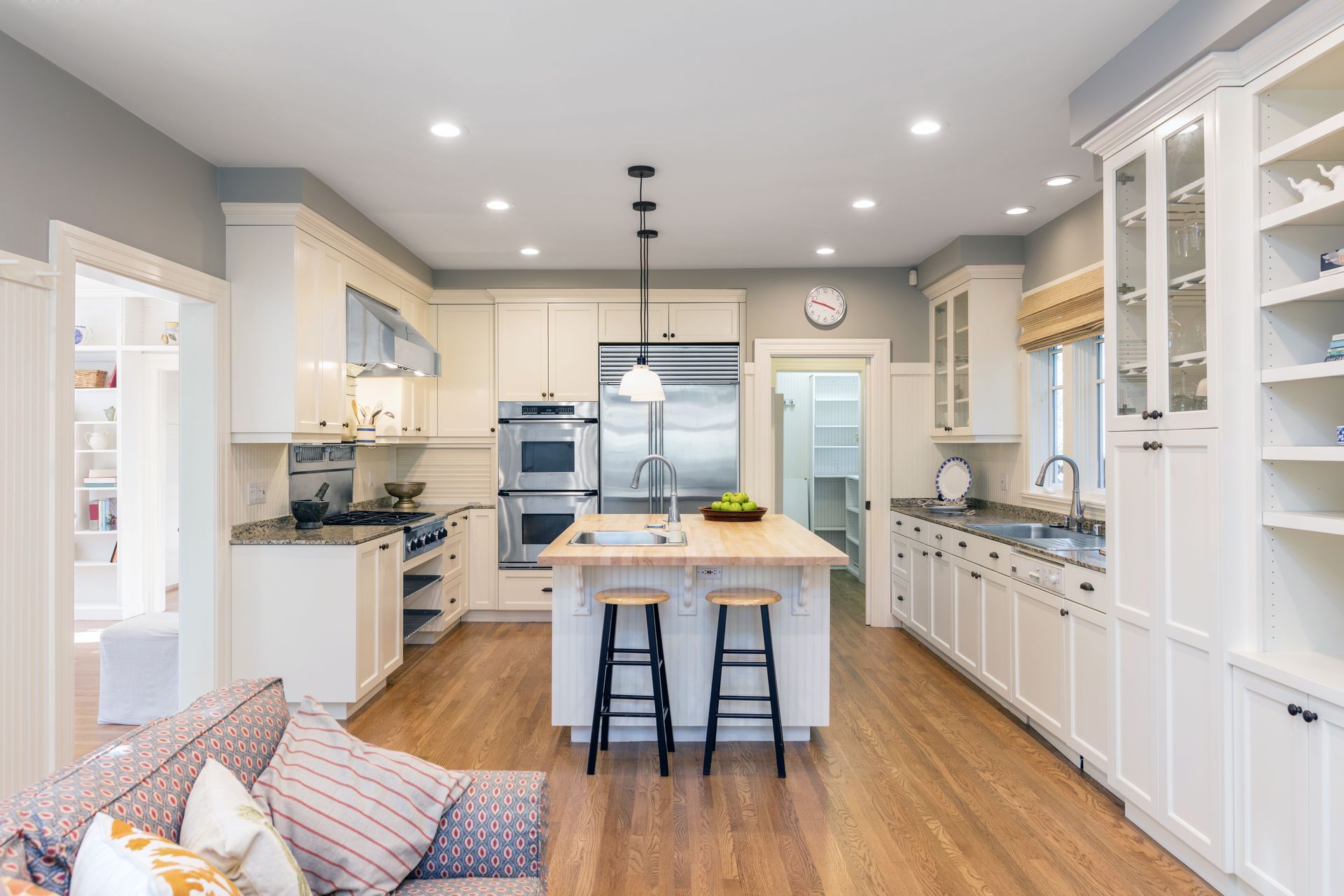
Modern homes often require rooms to serve multiple purposes, such as a guest bedroom that also functions as a productive home office. Choosing furniture that can be easily moved or repurposed is essential for maintaining a good flow in a small or busy house. Ottomans with hidden storage or nesting tables provide extra utility without taking up a permanent and bulky footprint on the floor.
You should select pieces that have clean lines and manageable weights to allow for easy reconfiguration during parties or family gatherings. Multi-functional furniture reduces the total number of items needed in a room and helps minimize clutter in the long run. Thoughtful selection of these versatile items ensures that your home remains adaptable to the changing needs of your family over the years. A skilled interior designer can help you source these unique pieces that maximize both style and functionality in every square foot. Ready to transform your home into a masterpiece of flow and function? Contact Main Line Design today to schedule a consultation and discover how professional placement can elevate your living experience.
Share On: