
How to Personalize Your Interior Design Without Clutter
Creating a home that reflects your personality is one of the most rewarding parts of interior design. Your space should feel like an extension of who you are, showcasing your preferences, experiences, and lifestyle. At the same time, many people struggle with balancing personalization and simplicity. It's easy for meaningful items and design choices to accumulate, eventually leading to a space that feels crowded instead of curated.
A well-designed interior doesn't have to rely on excess to feel complete. In fact, some of the most visually appealing homes are those that focus on intentional choices rather than quantity. By selecting meaningful pieces, maintaining a sense of balance, and using thoughtful design strategies, you can create a space that feels both personal and uncluttered. The goal is not to remove character, but to highlight it in a way that feels cohesive and calming.
Whether you're starting fresh or refining an existing space, understanding how to personalize your home without overwhelming it can make a lasting difference. From choosing the right color palette to incorporating meaningful décor, there are many ways to achieve a balanced look. In this article, we'll explore practical strategies to help you personalize your interior design without clutter.
Focus on Meaningful Statement Pieces
One of the most effective ways to personalize your space without creating clutter is to focus on a few meaningful statement pieces. Instead of filling every surface with décor, choose items that hold personal value or tell a story. These could include artwork, heirlooms, or furniture pieces that reflect your style and experiences.
When you highlight a smaller number of items, each piece has the opportunity to stand out. This approach creates visual interest without overwhelming the room. It also allows you to maintain a clean and organized appearance while still showcasing your personality.
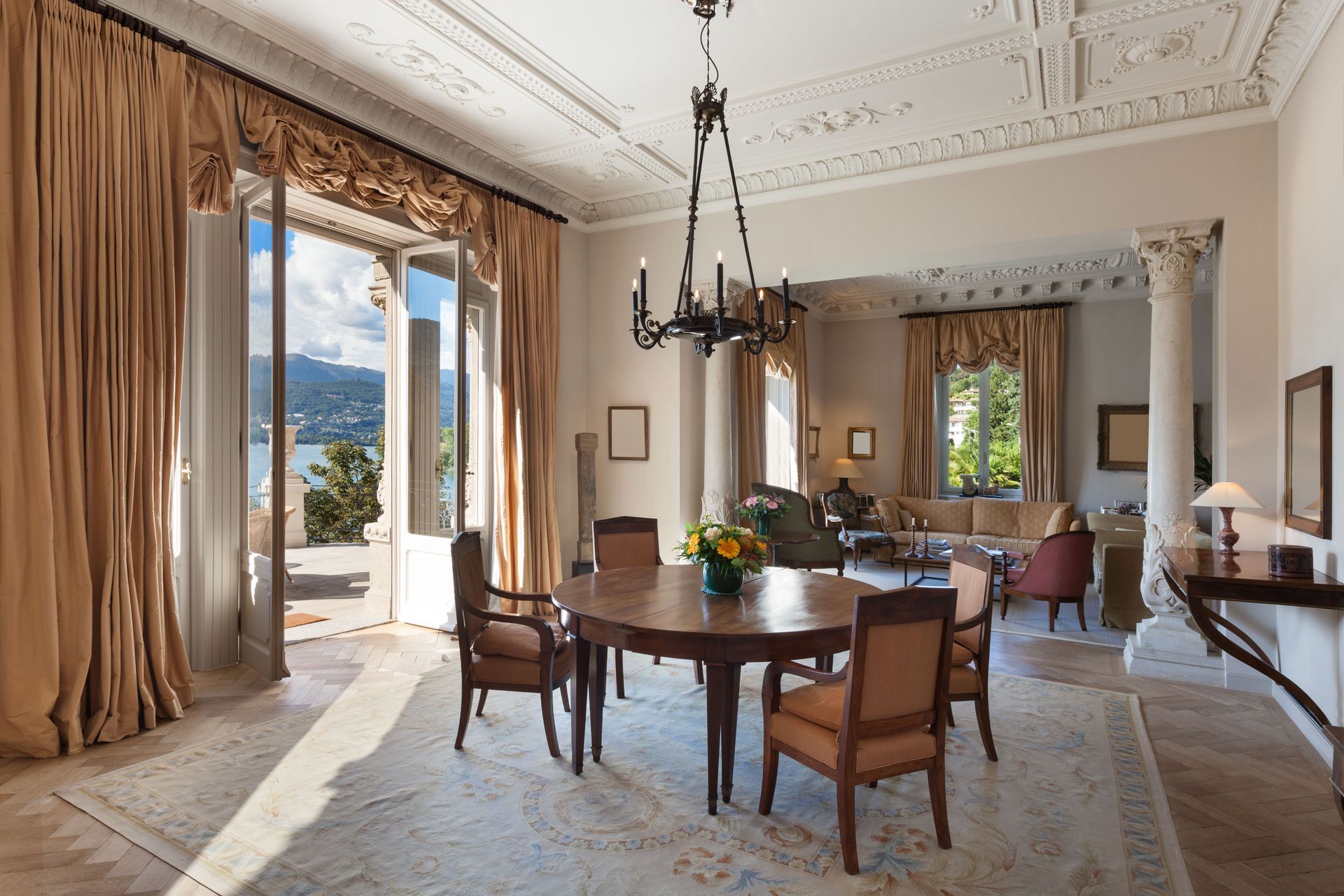
A transitional interior design service often emphasizes this balance between classic and modern elements. By blending timeless pieces with contemporary accents, you can create a space that feels both personal and refined without relying on excess.
Choose a Cohesive Color Palette
Color plays a significant role in how a space feels. A cohesive color palette can help unify your design while allowing personal elements to shine. Instead of using a wide range of colors, focus on a few complementary tones that work well together.
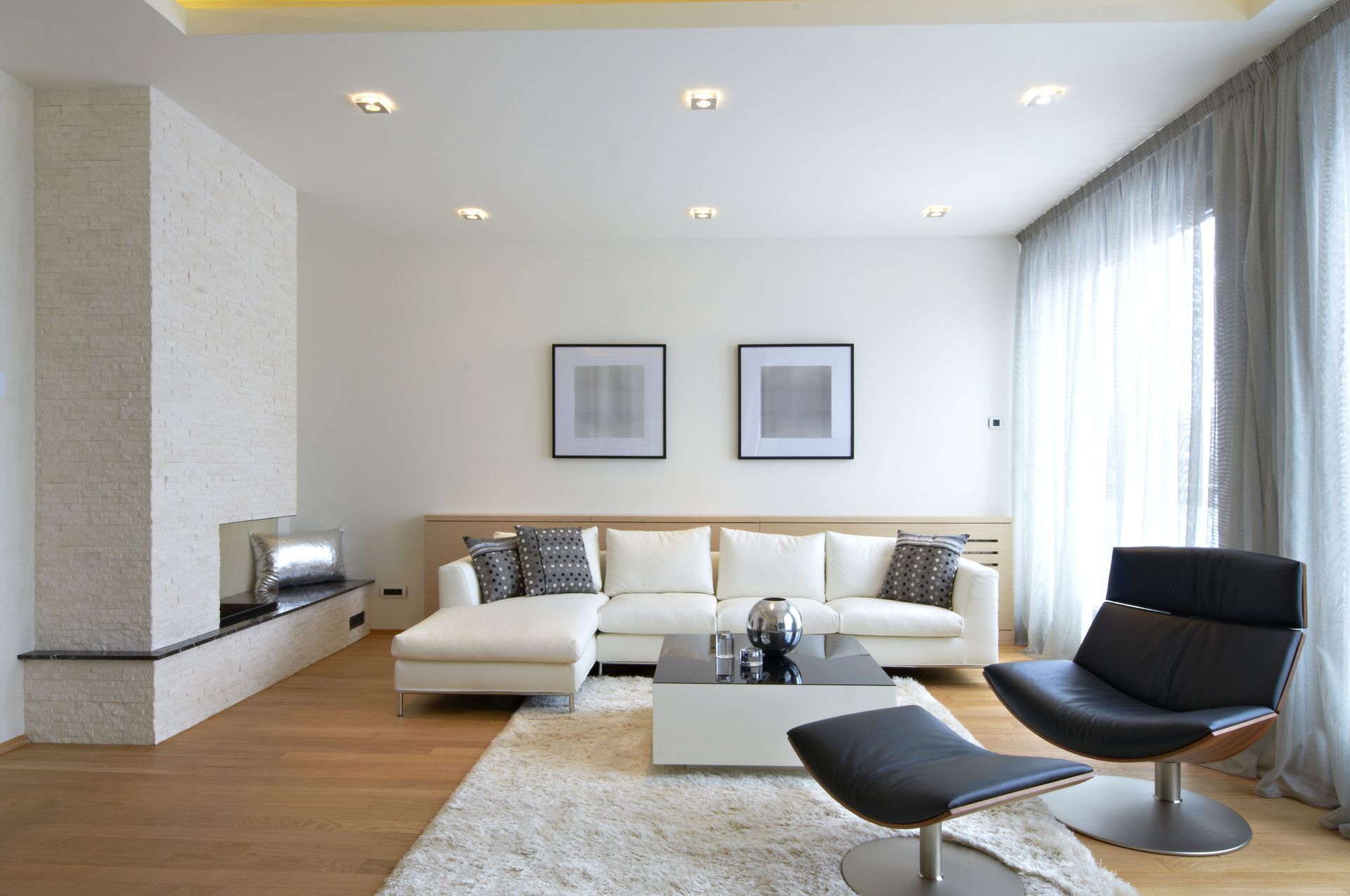
Neutral bases combined with subtle accents can create a calm and inviting atmosphere. This approach also makes it easier to incorporate personal items without disrupting the overall design. When everything works together visually, the space feels more intentional and less cluttered.
Working with a transitional interior design service can help you identify a palette that reflects your preferences while maintaining balance. This style often combines warm and cool tones in a way that feels harmonious and versatile.
Incorporate Functional Décor
Personalization doesn't have to come at the expense of functionality. In fact, combining the two can help reduce clutter while enhancing your space. Functional décor includes items that serve a purpose while also contributing to the overall design, such as stylish storage solutions, decorative trays, or multi-purpose furniture.
By choosing pieces that are both practical and visually appealing, you can reduce the need for additional items. This approach keeps your space organized while still allowing you to express your style.
A transitional interior design service often focuses on blending form and function, helping you select pieces that support your lifestyle without adding unnecessary clutter. This balance is key to creating a space that feels both comfortable and intentional.
Use Layers Instead of Quantity
Layering is a design technique that adds depth and interest without relying on large numbers of items. Instead of filling a room with décor, focus on combining textures, materials, and patterns in a thoughtful way.
For example, you can layer textiles such as rugs, pillows, and throws to create a cozy and personalized look. Mixing materials like wood, metal, and fabric can also add dimension without increasing clutter.
This approach allows you to achieve a rich and inviting design while maintaining a sense of simplicity. By focusing on how elements interact with each other, you can create a space that feels dynamic and well-balanced.
Create Designated Display Areas
Another effective strategy for reducing clutter is to create designated areas for displaying personal items. Instead of spreading décor throughout the entire room, choose specific locations where these items can be showcased.
Shelving, gallery walls, or curated tabletop displays can help organize your belongings while maintaining a clean overall appearance. This method allows you to highlight meaningful pieces without overwhelming the space.
By limiting where items are displayed, you create a sense of structure and intention. This makes it easier to update or rearrange your décor over time without disrupting the overall design.
Prioritize Quality Over Quantity
When it comes to personalization, quality often matters more than quantity. Investing in well-made, thoughtfully designed pieces can have a greater impact than filling your space with numerous items.
High-quality pieces tend to stand the test of time, both in terms of durability and style. They also contribute to a more polished and cohesive look. By focusing on fewer, better items, you can create a space that feels refined and intentional.
According to IBISWorld, the market size of the interior designers industry in the United States is $27.2 billion in 2025. This growth reflects the increasing value people place on thoughtful, well-executed design. Working with professionals or applying proven design principles can help you achieve a personalized space without excess.
Edit and Rotate Your Décor
Personalizing your home doesn't mean everything has to be on display at once. Editing and rotating your décor can help keep your space fresh while preventing clutter.
Consider storing some items and swapping them out periodically. This allows you to enjoy different pieces over time without overcrowding your space. It also gives you the opportunity to reassess what truly adds value to your design.
Regularly editing your décor helps maintain a sense of balance. It encourages you to be intentional with your choices and prevents accumulation from taking over your space.
Embrace Negative Space
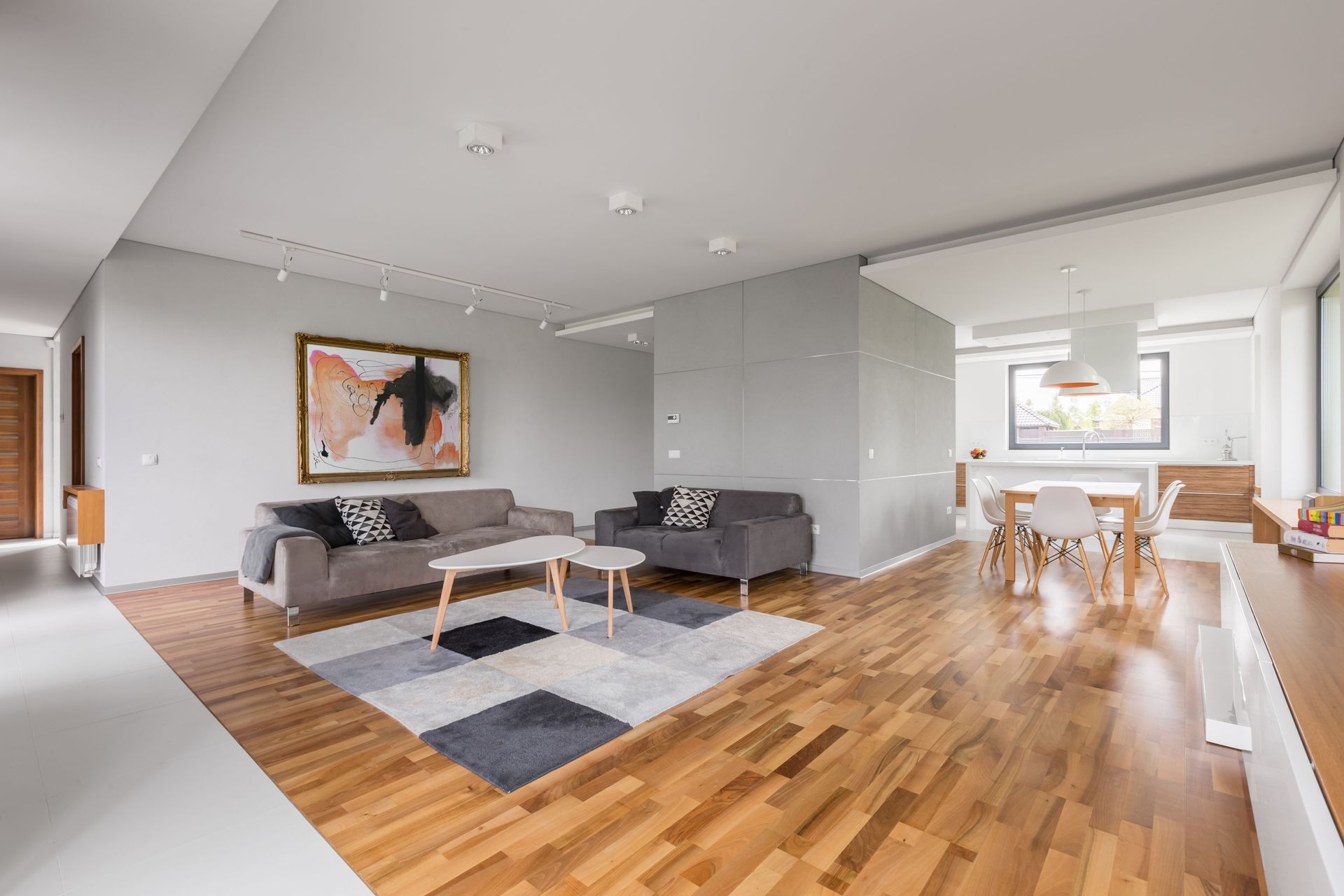
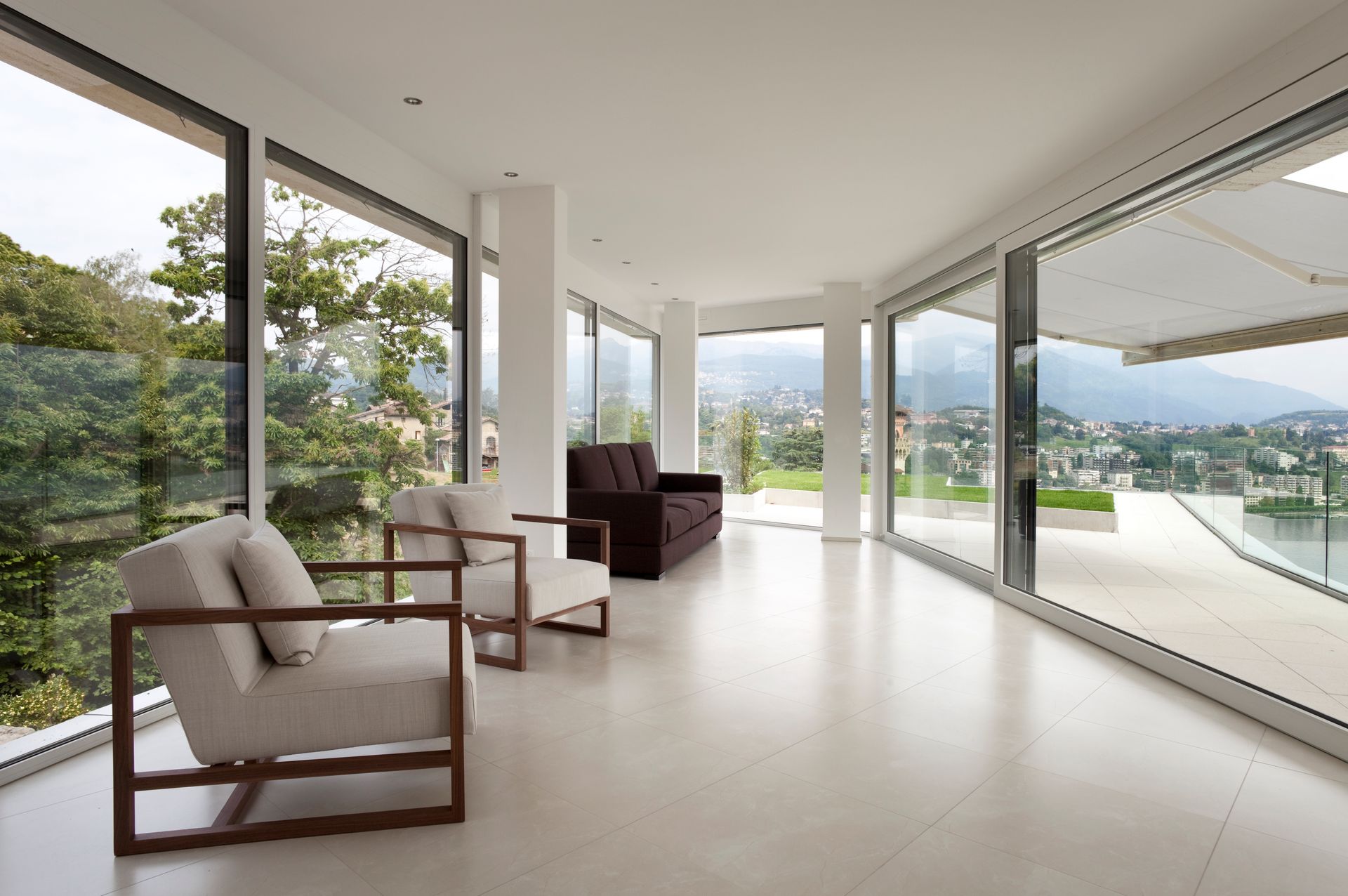
Negative space, or the empty areas within a room, is an important element of interior design. While it may seem counterintuitive, leaving some areas open can enhance the overall look of your space.
Empty space allows the eye to rest and helps highlight the elements that are present. It creates a sense of calm and makes your design feel more organized and intentional.
By embracing negative space, you can avoid the temptation to fill every corner. This approach supports a cleaner, more balanced aesthetic while still allowing your personal style to shine.
Creating a personalized interior without clutter is all about intention, balance, and thoughtful design. By focusing on meaningful pieces, cohesive elements, and functional décor, you can build a space that reflects your personality while maintaining a clean and organized feel. Small adjustments, such as editing your items or embracing negative space, can make a significant difference in how your home looks and feels. If you're ready to transform your space, consider working with Main Line Design! We offer a transitional interior design service to bring your vision to life and create a home that feels both personal and perfectly balanced.
Share On: