
What Transitional Interior Design Is and Why Homeowners Love It
Homeowners often want a home that feels stylish without becoming overly trendy or formal. Transitional interior design offers a solution by combining traditional details with contemporary elements to create spaces that feel comfortable, balanced, and timeless. This approach allows homeowners to appreciate classic furnishings while incorporating modern colors, materials, and layouts. A transitional interior design service can help bring these different influences together in a way that reflects personal preferences and everyday needs. Rather than following one strict design style, transitional spaces focus on harmony, simplicity, and thoughtful details. This flexibility makes the style appealing to homeowners who want their interiors to feel current without requiring frequent updates. From living rooms and kitchens to bedrooms and bathrooms, transitional design can work throughout the home. Understanding its defining characteristics can help homeowners decide whether this approach is right for their next design project.
Combining Traditional and Contemporary Elements
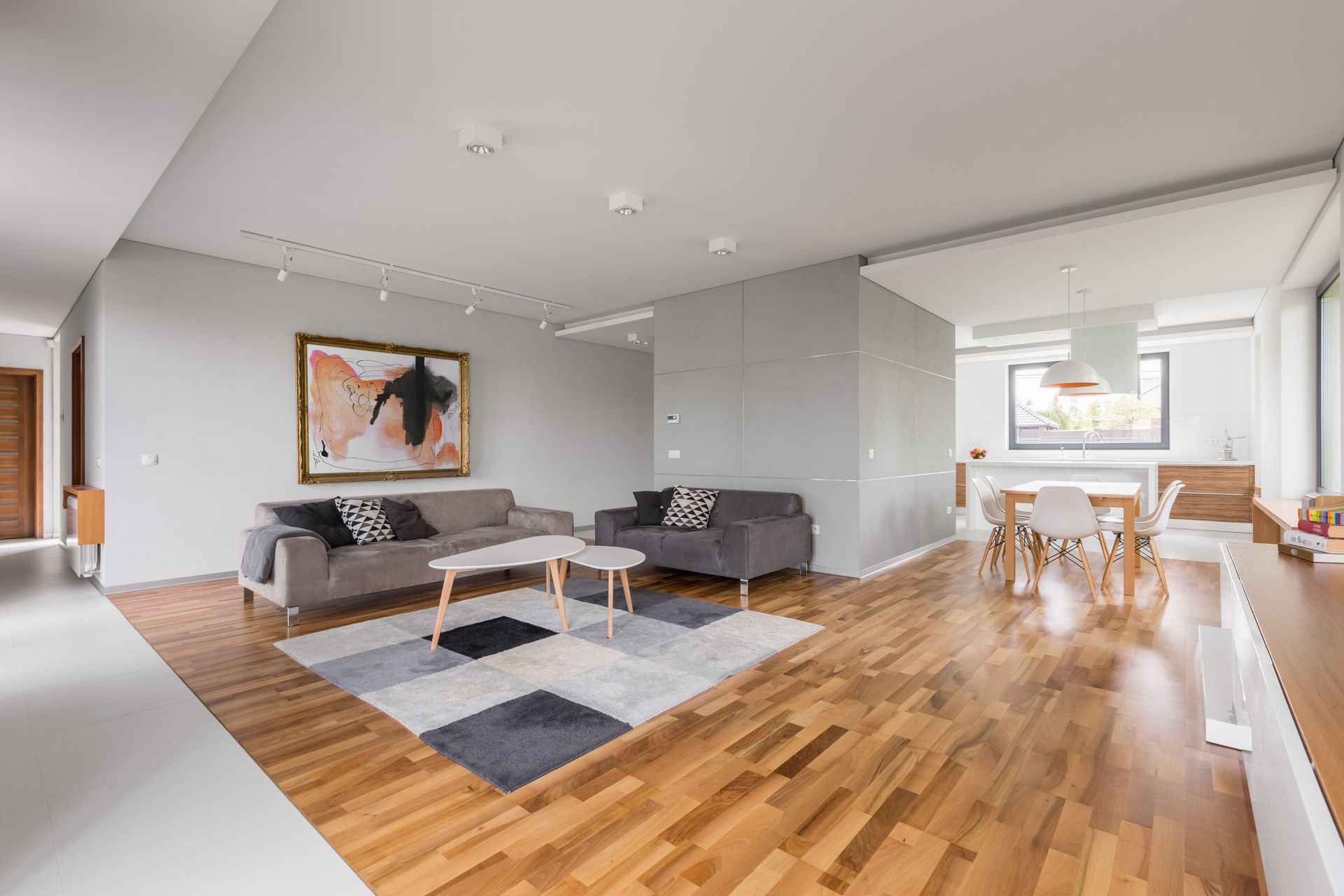
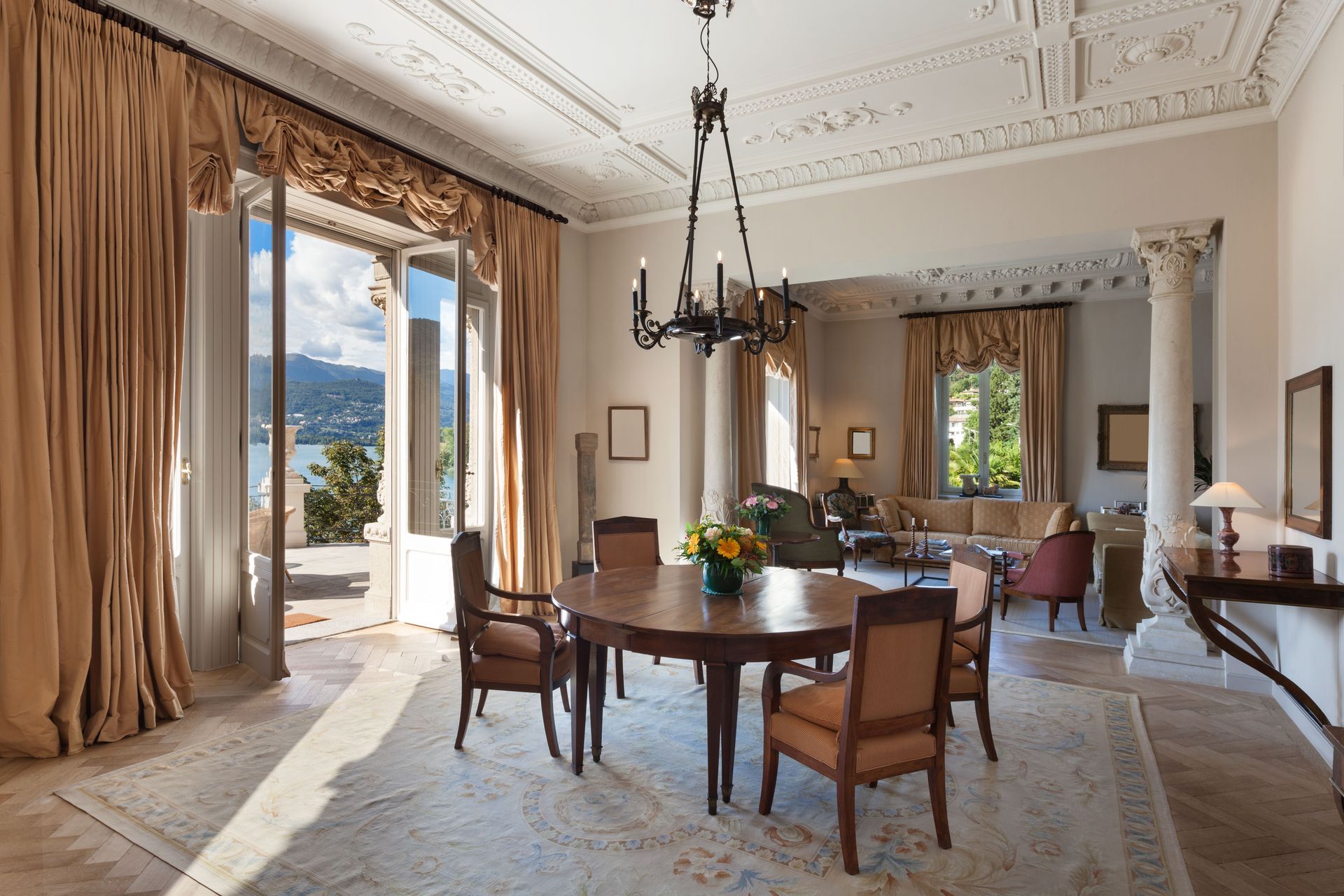
Transitional design brings together the familiar qualities of traditional interiors and the clean appearance of contemporary spaces. Traditional design often features decorative details, classic furniture shapes, and rich textures, while contemporary interiors typically emphasize simplicity and streamlined forms. Combining these influences creates rooms that feel welcoming without appearing outdated or overly modern. For example, a classic upholstered sofa can complement a simple coffee table with clean lines. Decorative molding may also work alongside understated lighting fixtures and minimal accessories. A transitional interior design service can help homeowners determine which elements complement one another rather than compete for attention. This balance allows personal preferences to guide the design without making the space feel visually inconsistent. The result is an interior that feels thoughtfully assembled and adaptable to changing tastes.
Creating Balanced and Comfortable Spaces
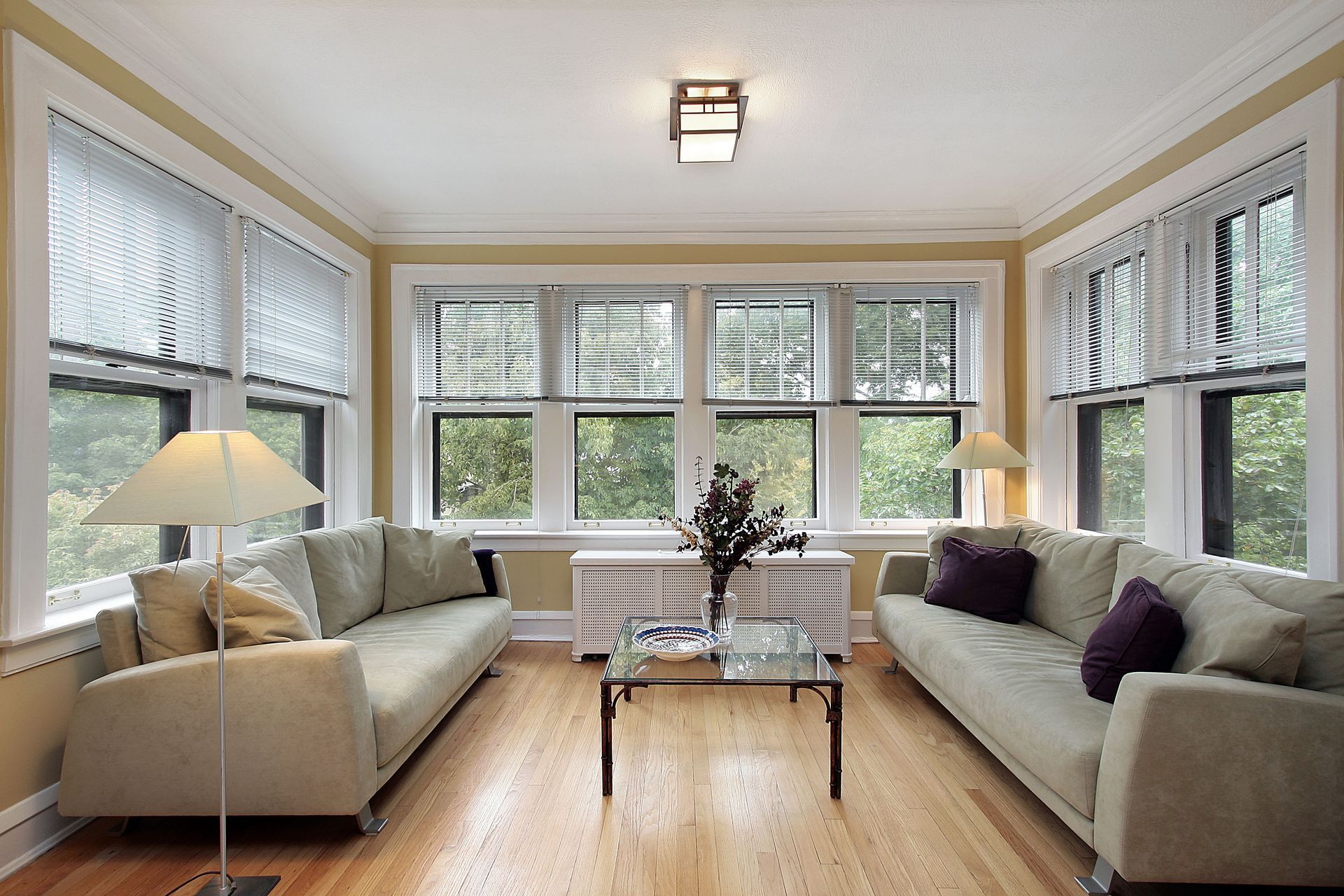
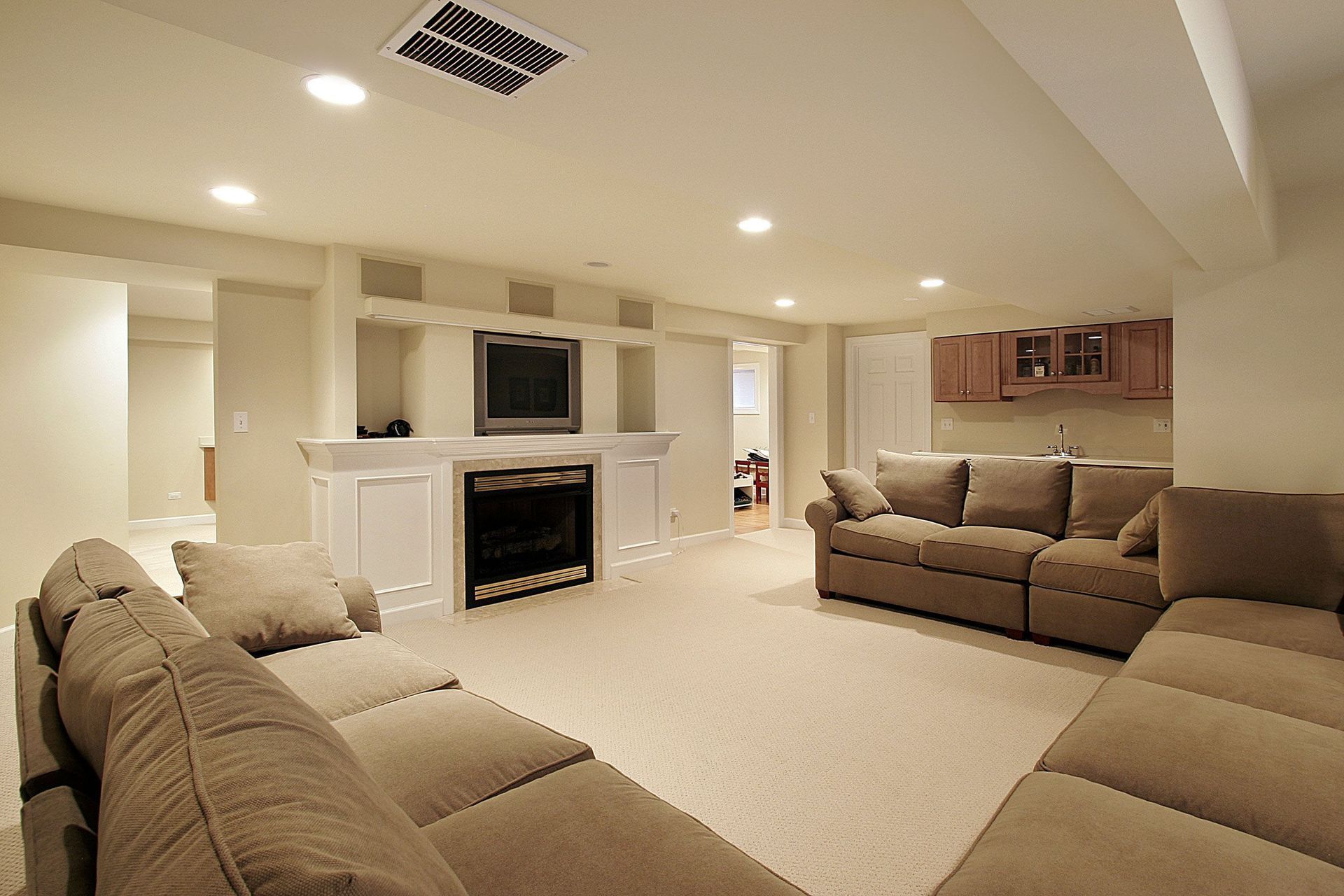
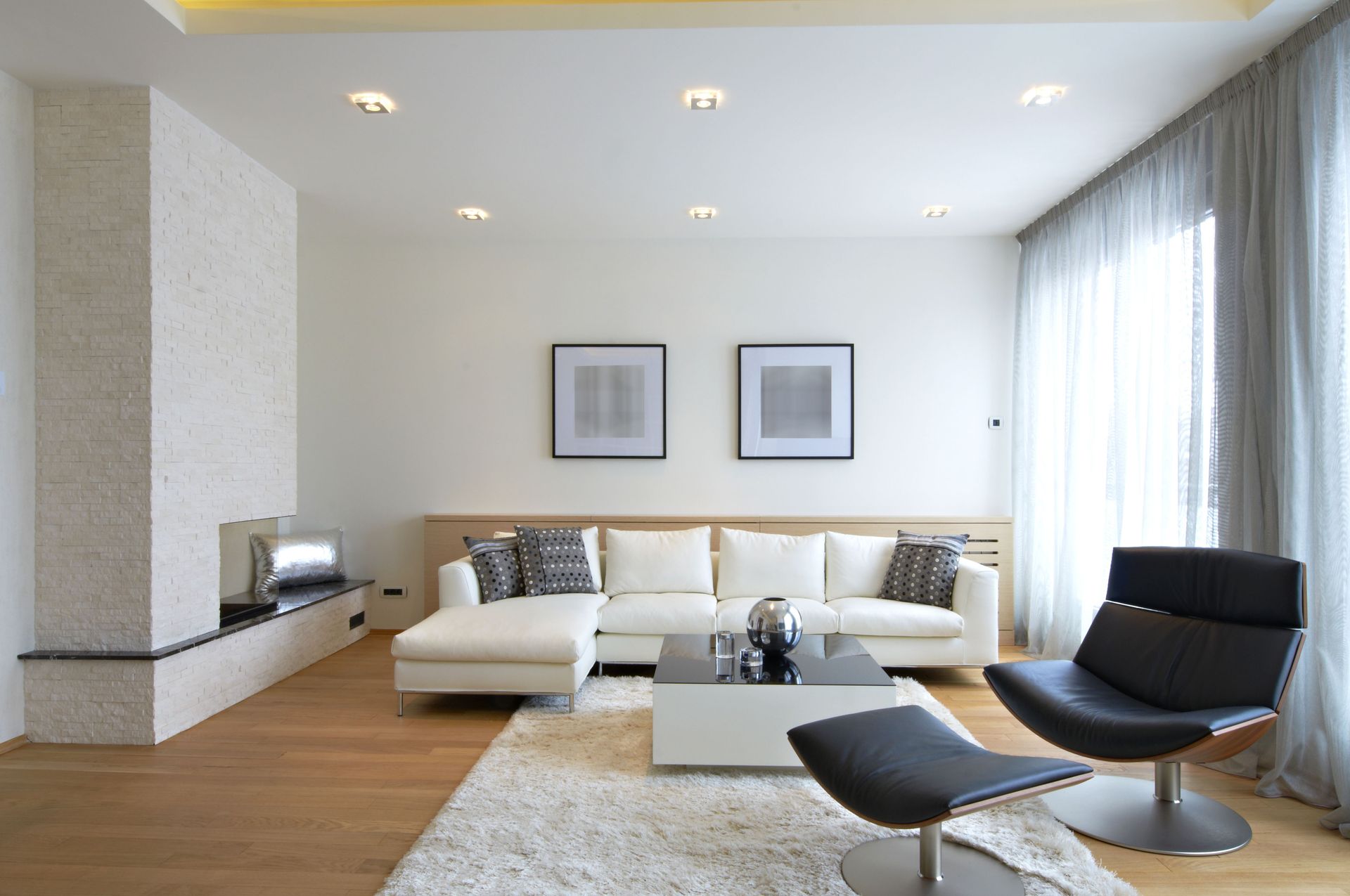
Balance plays an important role in transitional interiors because every element should contribute to the overall atmosphere. Furniture, lighting, textiles, and decorative accents work together to create rooms that feel organized and inviting. Instead of filling every available surface with accessories, this style emphasizes carefully selected pieces that serve a purpose. Homeowners can combine substantial furniture with lighter decorative elements to keep rooms from feeling too heavy. A large sectional, for instance, may be balanced by a glass coffee table or a simple floor lamp. Designers also consider furniture placement, circulation, and proportions when planning a room. With guidance from a transitional interior design service, homeowners can create layouts that support conversation, relaxation, and everyday activities. These choices help interiors feel comfortable while maintaining a polished appearance.
Choosing Neutral and Versatile Color Palettes
Neutral colors are frequently used in transitional interiors because they provide a calm foundation for different design elements. Shades such as white, beige, taupe, gray, and warm cream can make rooms feel cohesive without limiting the homeowner's decorating options. These colors also allow furniture shapes, architectural details, and textures to stand out naturally. Homeowners can introduce color through artwork, accent pillows, rugs, or carefully selected decorative objects. Muted blue, soft green, and earthy brown can add personality without overwhelming the space. According to the 2025 Houzz U.S. Bathroom Trends Study, 18% of homeowners updating their bathrooms selected a contemporary style, while 16% opted for a modern look. These preferences illustrate the range of styles homeowners consider when updating their spaces. A transitional palette can provide a middle ground for people who appreciate current design influences while maintaining a softer, more classic atmosphere.
Mixing Textures and Natural Materials
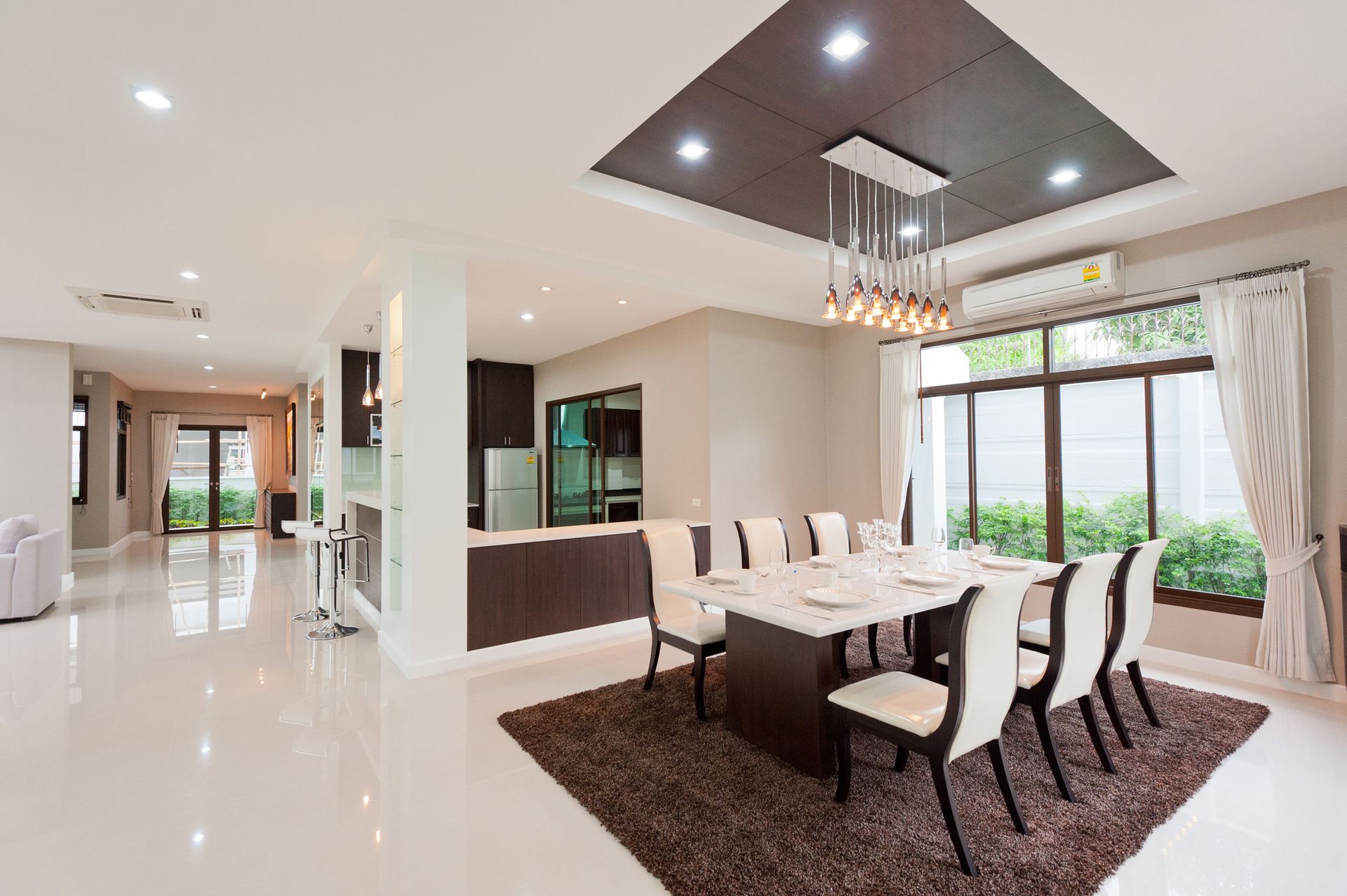
Texture helps transitional interiors feel warm and layered, particularly when the color palette relies on neutral shades. Materials such as wood, stone, linen, leather, glass, and metal can introduce contrast without making a room appear busy. A wooden dining table, for example, can add warmth beside upholstered chairs and a simple metal chandelier. Soft curtains and textured rugs can also make streamlined furniture feel more inviting. The key is to vary materials thoughtfully rather than introduce too many competing finishes. A transitional interior design service can help homeowners select complementary textures that create visual interest throughout the room. Natural materials are especially useful because their subtle variations add character without relying on elaborate patterns. When these finishes work together, the interior gains depth while preserving its calm and cohesive appearance.
Selecting Timeless and Functional Furniture
Furniture in transitional interiors typically combines classic comfort with simple, contemporary lines. Upholstered seating, understated dining tables, and practical storage pieces can provide a foundation that remains useful as decorating preferences evolve. Rather than selecting every item from one collection, homeowners can combine different pieces that share similar proportions, colors, or finishes. This approach creates a collected appearance instead of a showroom-like arrangement. Function is equally important because furniture should support the way people use each room. Storage ottomans, comfortable accent chairs, and versatile side tables can contribute to both convenience and style. A transitional interior design service can help homeowners prioritize furniture that fits the room's dimensions and complements existing belongings. Choosing quality pieces with enduring designs may also reduce the need to replace furnishings whenever trends change.
Using Lighting to Enhance the Atmosphere
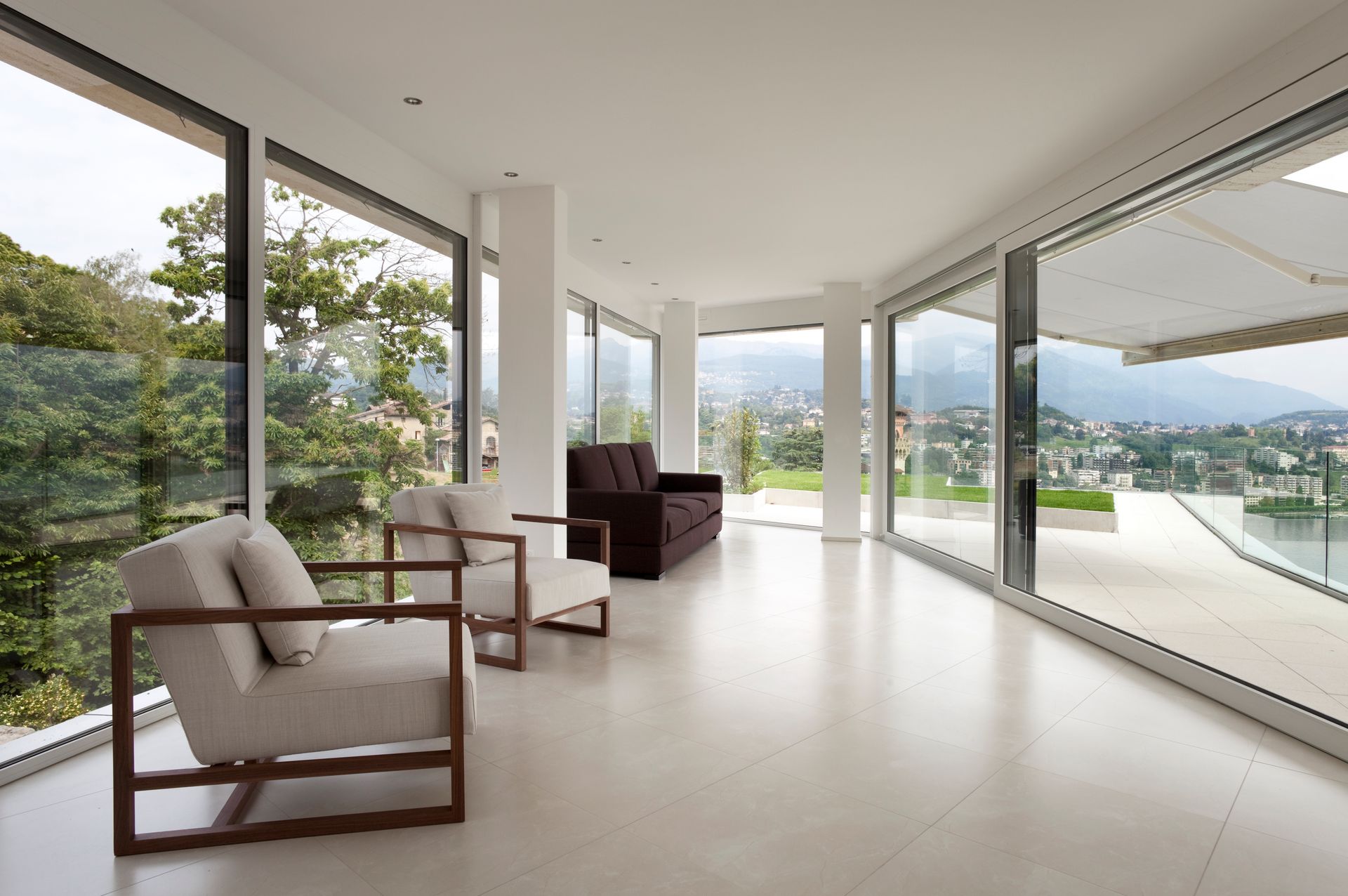
Lighting can shape the appearance and usability of transitional interiors by highlighting textures, supporting activities, and creating a comfortable atmosphere. A successful plan often combines ambient lighting with task and accent lighting. Ceiling fixtures provide general illumination, while table lamps and floor lamps help create softer areas for reading or relaxing. Pendant lights and chandeliers can introduce decorative interest without requiring elaborate ornamentation. Homeowners should also consider natural light when selecting window treatments, furniture placement, and wall colors. Sheer curtains may soften incoming daylight while preserving a bright, open feeling. A transitional interior design service can help coordinate lighting styles, finishes, and placement to maintain consistency across connected spaces. With the right combination, lighting makes a room feel inviting throughout the day and evening.
Keeping Decorative Details Intentional
Transitional interiors benefit from decoration that feels personal without creating unnecessary visual clutter. Artwork, mirrors, ceramics, plants, and carefully chosen accessories can add character while supporting the room's overall design. Instead of displaying numerous small objects, homeowners may prefer a few larger pieces that make a stronger visual impression. Decorative details should relate to the room's colors, materials, and proportions. For instance, a textured ceramic vase may complement natural wood furniture, while a simple framed print can add interest to a neutral wall. Personal collections and meaningful objects can also be incorporated without disrupting the overall balance. A transitional interior design service can help homeowners determine which items deserve attention and where they will have the greatest impact. This intentional approach allows rooms to express individual style while remaining orderly and comfortable.
Adapting the Style Throughout the Home
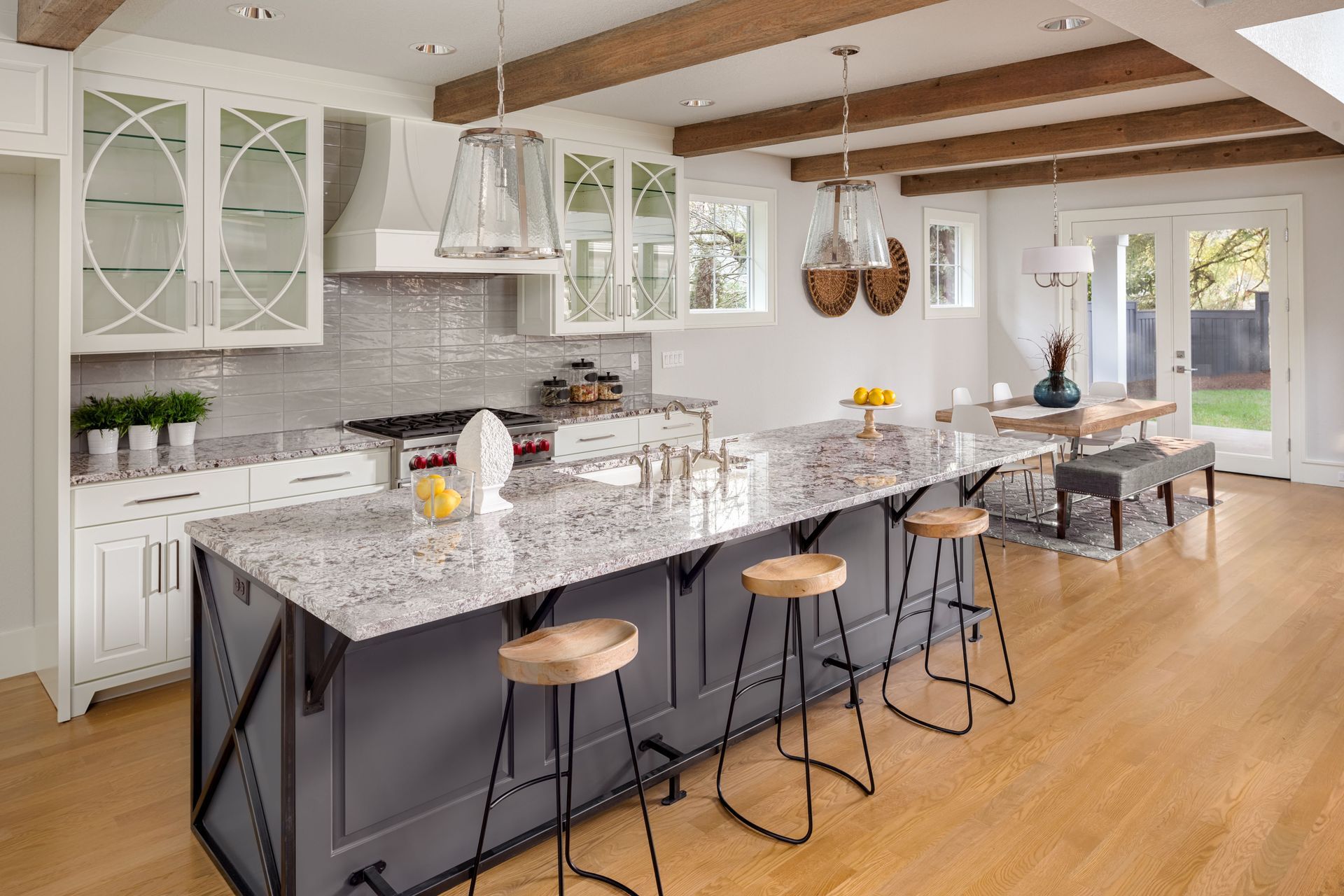
One reason transitional design appeals to homeowners is its versatility across different rooms and architectural styles. In a kitchen, classic cabinet profiles can pair with streamlined hardware, simple backsplashes, and modern lighting. Living rooms can combine traditional seating with contemporary tables, while bedrooms may feature upholstered headboards, neutral bedding, and restrained accessories. Bathrooms can incorporate timeless tile patterns alongside clean-lined mirrors and updated fixtures. This flexibility also makes transitional design useful when homeowners want connected spaces to feel consistent without looking identical. Repeating selected colors, finishes, and materials can establish continuity throughout the home. A transitional interior design service can help coordinate these details while accounting for each room's individual purpose. The result is a cohesive home that accommodates different activities and preferences without relying on a single furniture style or decorative trend.
Bringing Transitional Design Into Your Home
Transitional interior design provides a practical way to combine classic character with contemporary simplicity. Its neutral colors, varied textures, comfortable furnishings, and carefully selected accents create spaces that feel welcoming without sacrificing sophistication. Because the approach emphasizes balance rather than strict rules, homeowners can adapt it to different room sizes, architectural features, and personal preferences. It also allows existing furniture and meaningful belongings to remain part of a refreshed design. With thoughtful planning, even small changes to lighting, materials, and furniture placement can improve the overall atmosphere of a room. Working with an experienced design professional can make it easier to coordinate these details and establish a consistent look throughout the home. Homeowners who want interiors that feel timeless, functional, and personal can explore their options with Main Line Design. Contact us to discuss your goals and discover how a tailored design plan can help bring your vision to life.
Share On: