
Balancing Aesthetics and Durability in High-Traffic Homes
A beautiful room should still work when someone walks through it carrying groceries, guests gather around the kitchen island, or pets track in rain. Entryways, kitchens, bathrooms, and family rooms take daily wear that a rarely used space may never experience. Thoughtful contemporary interior design brings together attractive finishes, practical layouts, and materials suited to real routines. The goal is not a home that always looks untouched. It is one that feels welcoming and remains comfortable to use as daily needs change.
Understand How Each Room Gets Used
Watch Where Everyday Wear Appears
Before selecting finishes, notice how people move through the house. The area inside the front door may collect moisture and grit, while the floor between the kitchen sink and stove sees repeated traffic. Look for scuffed baseboards, worn flooring, cluttered counters, and furniture that blocks walkways. These clues reveal more than a catalog photograph can. They show where durable surfaces, easier storage, or a better arrangement would make an immediate difference.
Plan Around the People Who Live There
A household with young children may need washable upholstery, while someone using a mobility aid may prioritize clear paths and stable flooring. Pets, frequent guests, and work-from-home routines create other demands. Ask what gets moved, cleaned, or reached for most often. Consider changes that might happen over the next several years, too. Choosing materials and room arrangements around actual habits prevents a space from looking polished but becoming inconvenient within months. It also helps to list must-haves before shopping. That way, a striking finish does not crowd out essentials such as safe circulation, accessible storage, and simple cleaning. This exercise makes decisions easier when several materials seem equally appealing.
Choose Flooring and Surfaces for Daily Life
Compare Flooring Beyond Its Appearance
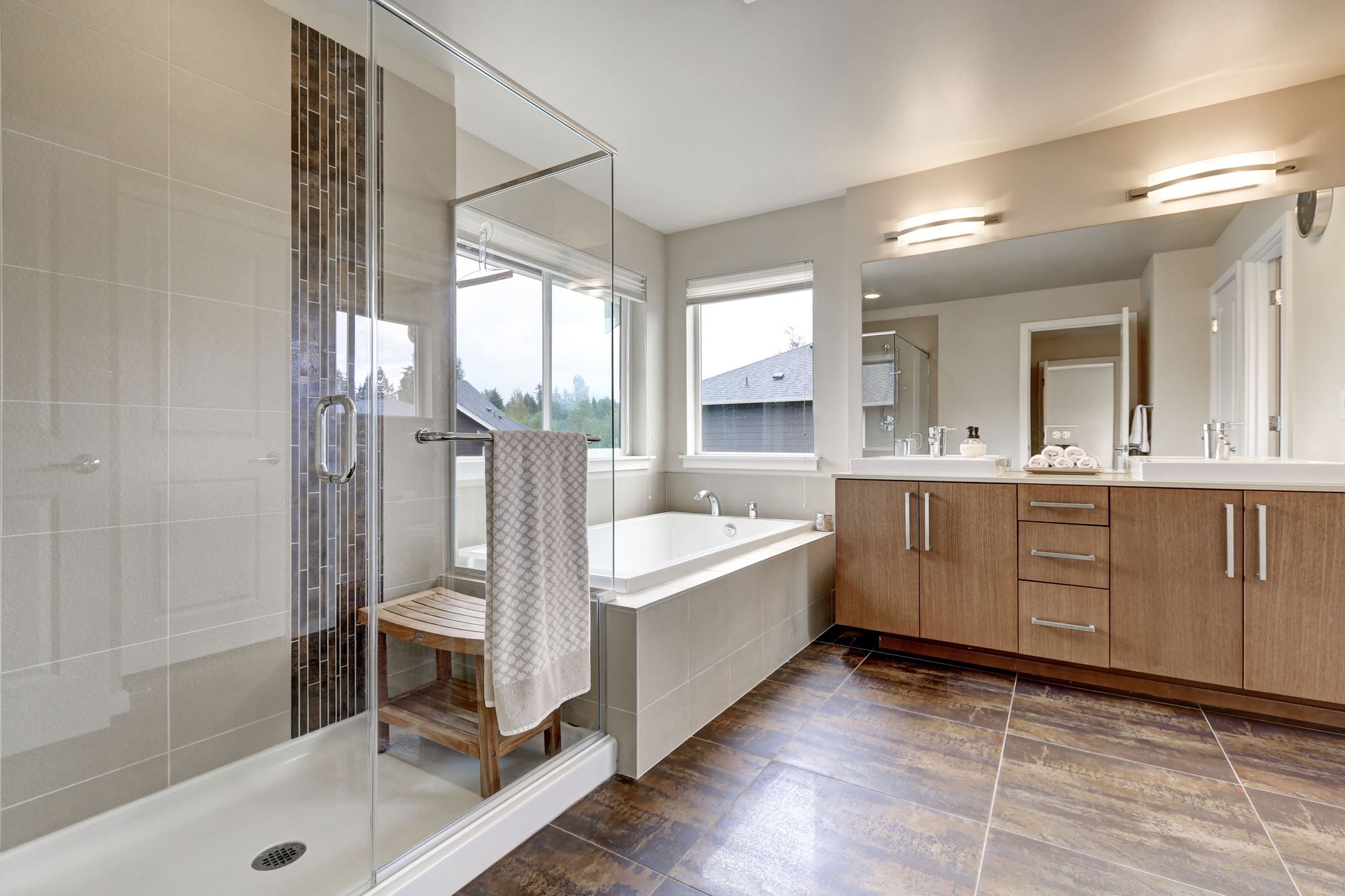
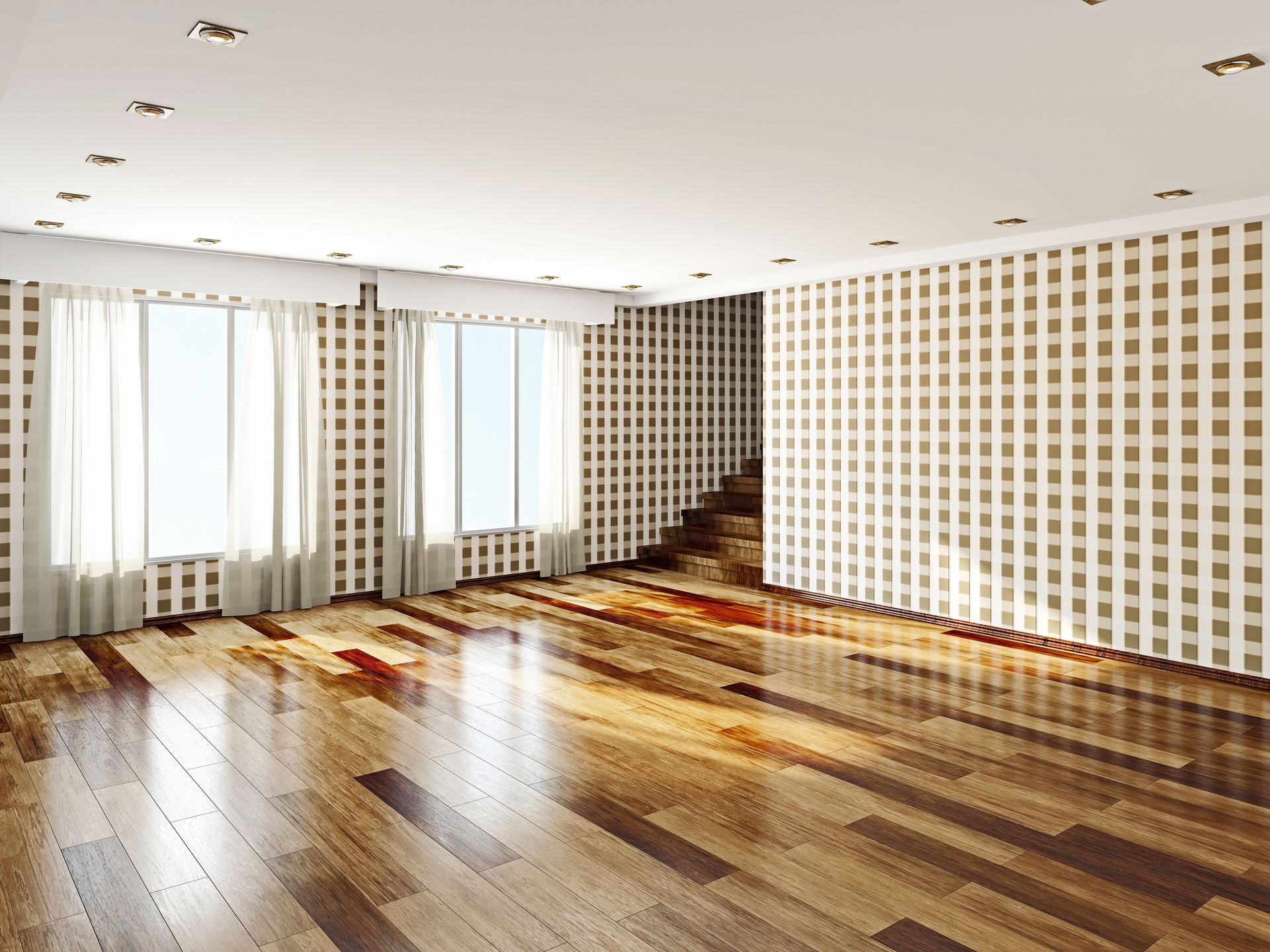
Porcelain tile can handle moisture well when installed correctly, making it useful in entries and bathrooms. Luxury vinyl flooring may offer easier maintenance in some busy rooms, while hardwood provides warmth but can show scratches and moisture damage. No flooring is completely maintenance-free. Check slip resistance, cleaning instructions, expected wear, and compatibility with the subfloor. Contemporary interior design works best when the selected floor suits both the visual style and the amount of traffic it receives.
Select Countertops and Wall Finishes Thoughtfully
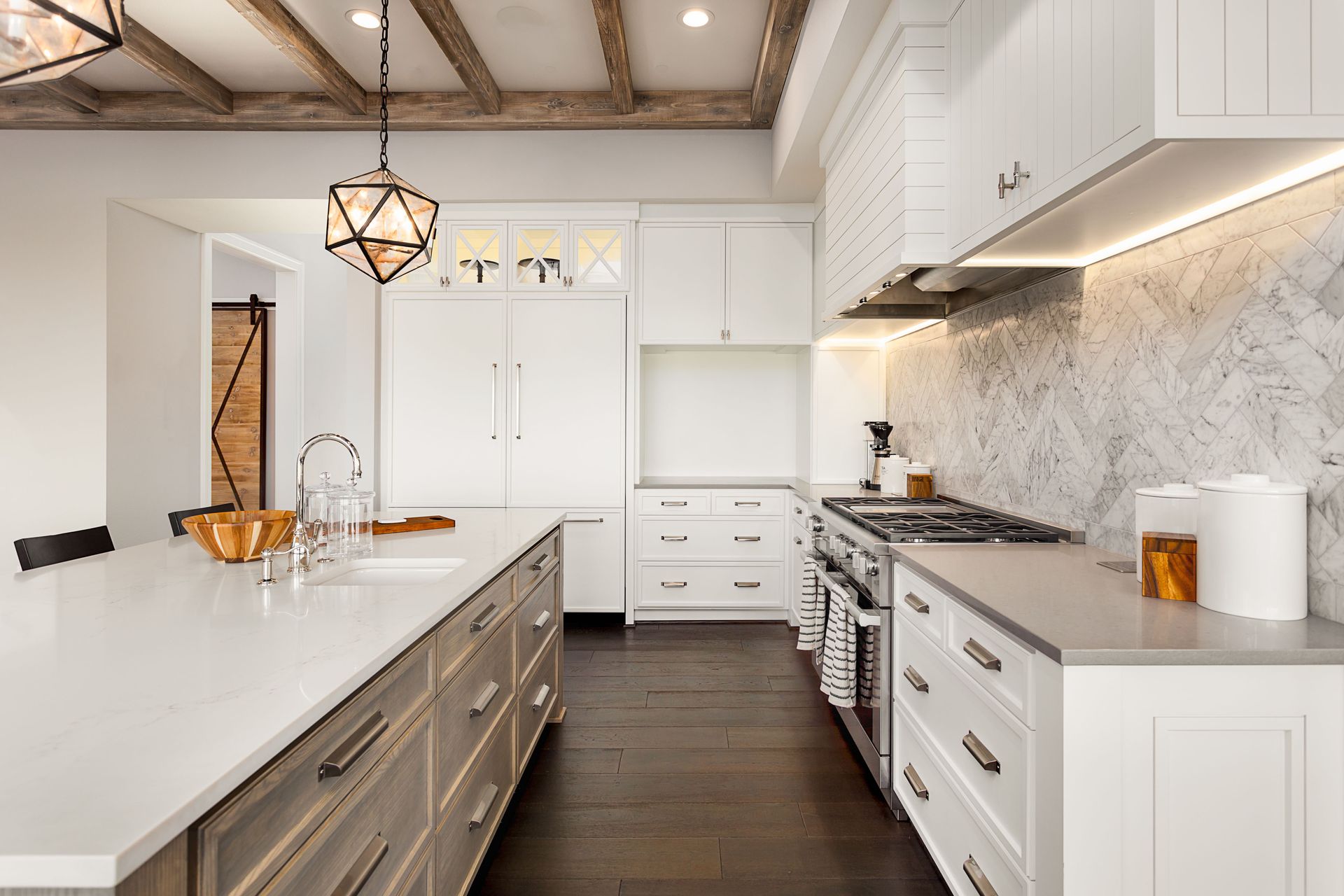
Quartz countertops resist many everyday stains, but hot cookware can damage the resin in some products, so trivets still matter. Natural stone offers distinctive patterns and may need sealing depending on the material. In hallways and around dining areas, washable paint helps with marks from frequent contact. Sample finishes in the room before committing. Daylight, lamps, and adjacent cabinetry can change how a surface looks, and a durable material will not feel right if the color or texture clashes with everything around it.
Bring Comfort and Durability Into the Furniture Plan
Look Closely at Fabric and Construction
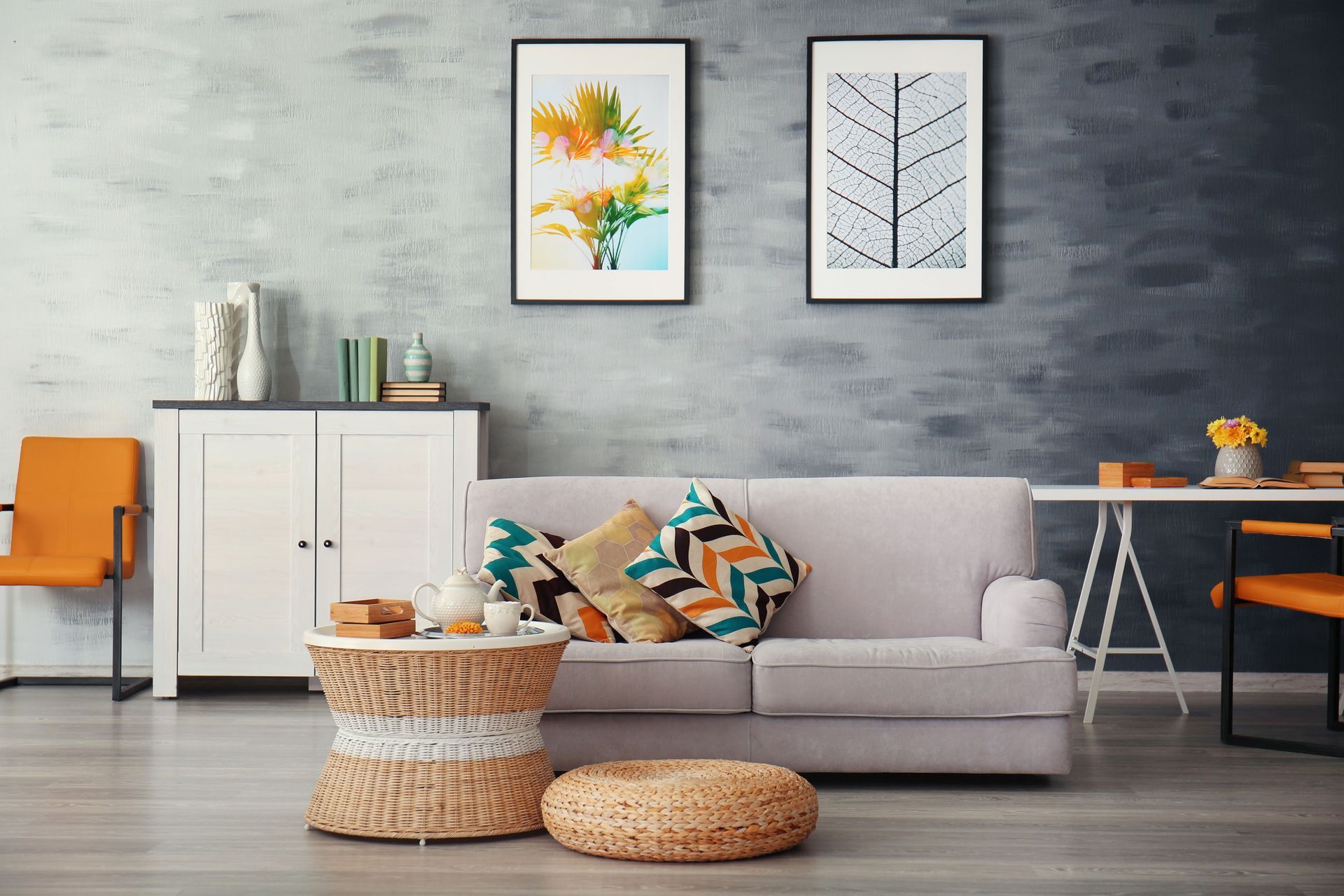
Performance fabrics may resist spills and staining, but their care requirements vary. Check abrasion information and manufacturer instructions rather than assuming every fabric marketed as durable can withstand the same use. Removable cushion covers can make cleaning more manageable. For tables and seating, examine joints, hardware, and the finish as well as the silhouette. A sturdy piece with replaceable components may serve a busy household longer than an eye-catching item that is difficult to repair.
Use Storage to Reduce Daily Friction
A well-placed entry bench, closed cabinets, or storage ottoman can keep frequently used belongings from spreading across the room. Storage should be easy to reach, not hidden so far away that no one uses it. Contemporary interior design can accommodate built-ins and flexible furniture without making every room feel crowded. Group items by where they are actually used, leave space for doors and drawers to open, and choose hardware that is comfortable to handle. This approach supports an organized home without demanding constant tidying.
Arrange Rooms for Movement and Flexibility
Keep Paths Open and Functional
Open-concept rooms can feel expansive, but they are not automatically more practical. A kitchen island placed too close to appliances can create bottlenecks, and an oversized sectional can make a living room hard to cross. Measure furniture, door swings, and the space needed to pull out chairs before ordering anything. Rugs should lie flat and be secured appropriately to reduce tripping concerns. Leave sufficient circulation space for everyone who uses the home, including visitors with different mobility needs.
Layer Lighting for Different Activities
A room rarely needs the same lighting all day. Task lighting over countertops, softer light near seating, and clear illumination at stairs serve different purposes. Thoughtful placement helps people see where they are walking and reduces shadows over work areas. Dimmers can add flexibility when compatible with the fixtures and bulbs. Natural light is valuable, but glare and fading may need to be managed with shades or window coverings. In contemporary interior design, lighting contributes to safety and comfort as much as atmosphere.
Decide When an Update Is Worthwhile
Use Renovation Timelines as Guidance
According to Yahoo, bathrooms are often remodeled around every 10 years and kitchens around every 15 years. The article presents those intervals as general rules of thumb, not deadlines. A sound bathroom with functioning ventilation and durable finishes may remain useful far longer. Likewise, a kitchen with repeated leaks or an awkward layout may deserve attention sooner. Consider the room's condition, repair history, household needs, and budget before deciding that its age alone calls for demolition.
Improve What Already Works
Some rooms need a full renovation, but others benefit from changes such as replacing worn flooring, improving storage, updating lighting, or refinishing cabinetry where appropriate. Keeping a workable layout can preserve useful materials and limit disruption. Before renovating, identify problems that a decorative update cannot fix, including moisture intrusion or inadequate ventilation. Contemporary interior design can bring a fresh look without discarding every existing element. Prioritize improvements that solve daily frustrations and complement the home's character rather than chasing a short-lived trend.
Maintain the Design After Installation
Match Cleaning Methods to Materials
Use cleaners recommended for each finish, and address spills promptly. Abrasive products can damage certain coatings, while excess water may harm wood or flooring seams. Place mats near entrances to catch grit, use furniture pads where appropriate, and check the condition of rugs periodically. Keep care instructions and product information together so small repairs are easier later. Gentle, consistent upkeep often does more to preserve a room than occasional intensive cleaning with the wrong products. Test unfamiliar cleaners in an inconspicuous spot, and do not mix cleaning chemicals. For upholstery, follow the care label before attempting stain removal; aggressive scrubbing can damage some fabrics even when they are marketed as durable.
Build in Room for Change
Needs evolve, and a good design should leave some flexibility. Adjustable shelves, movable seating, and versatile lighting can adapt as routines change. Review high-use areas occasionally for loose handles, damaged sealant, or worn surfaces, and repair problems before they spread. The most successful
contemporary interior design choices are not necessarily the newest or most expensive. They are the ones that balance appearance, resilience, and a layout people enjoy using year after year.
A high-traffic home can feel refined without asking residents to tiptoe around it. Start with honest observations about how each room is used, then choose materials and arrangements that support those habits. For help coordinating interiors, renovations, and long-term functionality, contact Main Line Design to discuss a design approach that suits your home and everyday life.
Share On: